


Peptides act on the body's natural hunger and satiety signals, helping reduce appetite and food cravings while promoting a longer-lasting feeling of fullness. Certain formulations may also support glucose regulation, insulin sensitivity, and energy metabolism.
GLP-1 receptor agonists help control hunger and slow gastric emptying. Dual GIP/GLP-1 receptor agonists provide a broader effect on appetite and metabolic response. Amylin analogues enhance satiety and may help reduce portion sizes. Triple GIP/GLP-1/glucagon receptor agonists target both eating behaviour and energy metabolism, although some compounds in this category are still undergoing clinical research.
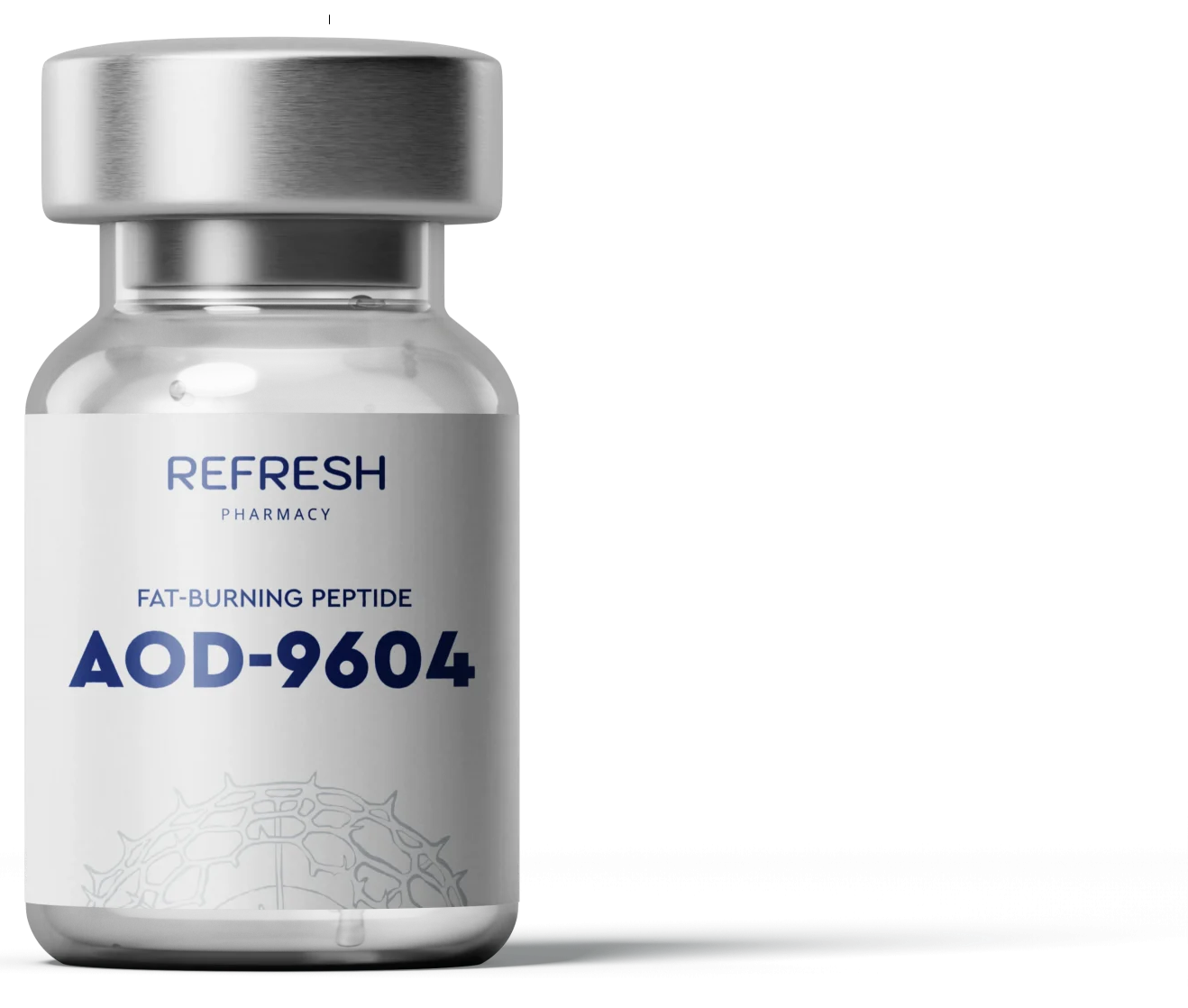
Different peptide formulations support weight management through different mechanisms. GLP-1-based peptides primarily help regulate appetite and blood glucose levels. Combined GIP/GLP-1 formulations provide broader support for eating behaviour and metabolic function. Amylin analogues enhance satiety, while metabolic peptides support cellular energy and the body's ability to adapt to physical activity.
The choice of product depends on starting weight, appetite patterns, glucose metabolism, lifestyle, and individual goals.


Peptides differ in composition, mechanism of action, duration of use, and dose-escalation requirements. Medical history, laboratory results, existing health conditions, and previously used weight-management products should therefore be considered before making a selection.
A medical consultation helps determine the most appropriate type of peptide support, establish an individual programme, and monitor progress. Recommendations can be adjusted based on changes in weight, appetite, and overall well-being.

They may help reduce hunger, limit unplanned snacking, and make it easier to follow a structured eating plan.
Reducing persistent hunger and food-related impulses may make episodes of overeating and stress eating easier to manage.
Certain peptides influence the mechanisms involved in regulating blood glucose levels and the insulin response after meals.
They may help create a sustainable calorie deficit by reducing appetite and food intake without extreme dietary restrictions.
They help prolong the feeling of fullness after meals and support a natural reduction in portion sizes.
They support more consistent appetite control and may reduce cravings for sweet and high-calorie foods.
A consistent programme, improved eating habits, and medical support help maintain progress and reduce the likelihood of regaining weight.